

Clearing your skin only to break out again a week later? It’s not bad luck. From damaged barriers to the “90-day rule,” here is the science behind why acne keeps returning.
Why Acne Comes Back Again and Again (The Cycle You Need to Break)
This frustration never ends when it comes to skin care.
A rash shows up. Out comes the salicylic acid—spot creams follow soon after. Clear skin returns. Relief sinks in. The thought arrives: It’s done.
Later, after a week has passed, that sensation returns beneath your surface. In the same place once more, another rise begins to show.
It’s not the item at fault. Yesterday’s chocolate isn’t guilty either. Most of the time, something else entirely causes it.
Acne? More than grime on skin. Think of it as an ongoing battle inside the pores. Fixing what shows won’t stop what’s brewing below. Miss the hidden root, expect more flare-ups later.
Why does acne keep returning? Acne often returns because treatments are stopped too early. A pimple takes up to 90 days to form under the skin. If you stop treating your face once it looks clear, the “seeds” (micro-comedones) forming underneath will eventually surface as new breakouts.
Quick Summary: The 4 Hidden Triggers
The “Dehydration” Trap: Drying out your skin triggers more oil production.
The 90-Day Rule: Stopping treatment before the deep seed cycle ends.
Hormonal Patterns: Breakouts that track your cycle (chin/jawline).
The Dirty Pillow: Sleeping on environmental bacteria every night.
1. The “Dehydration-Oil” Loop
This one error shows up again and again. Spot a breakout, then suddenly the urge hits—to strip it bare. Harsh lathering cleansers come next. Strong acids follow close behind. Thick clay pastes coat the skin last.
Here is what happens. Remove too much moisture, and the barrier breaks down. Skin feels threatened. It reacts fast. A message fires off to the oil factories inside pores: “Not enough wetness. Start making grease now.”
Today, the spot dries up—yet by next week, excess oil surges, blocking pores again.
The Fix: Skin needs care, not harsh treatment. Try a mild cleanser—skip the foam. Add a light lotion that includes ceramides. Moisture helps calm things down. Oil levels adjust when hydration improves. Things settle once the balance returns.
2. The 90-Day Acne Cycle
A spot might take nearly three months to show on skin.
That red spot showing up now? It began months back, hidden far down in your skin as a tiny blockage called a micro-comedone. Three full weeks passed before it even looked like anything at all.
The Fix: Here’s the mistake: Two weeks of acne cream bring clearer skin. That makes you quit early. Yet deep down, old blockages keep moving up. Without the medicine, each one swells into a fresh spot.
Focus on keeping skin clear, not only fixing breakouts. Try applying acne solutions—such as Retinol or Salicylic Acid—for three full months without stopping. That helps empty out clogged pores before they become visible.
3. The Jawline Hormone Connection
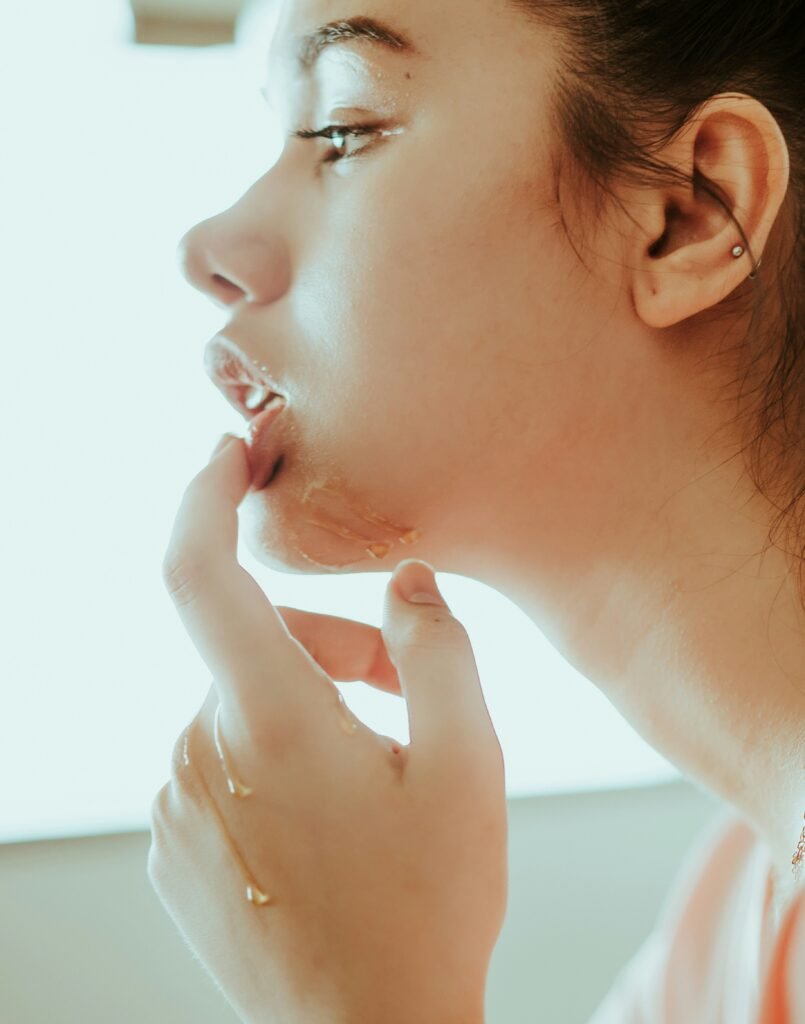
Every time it shows up again right there, down the chin and along the jaw? Happens like clockwork each month. Not about how clean you are. This kind comes from inside—hormones running the show.
Beside hormones rising right before your period, pore gunk turns thicker. That glue-like texture sticks around more. Trapped goo builds up below the surface, creating sore bumps under skin—creams sometimes miss these entirely.
The Fix: Creams applied to the skin usually do not work well in this spot. Inflammation might have to be handled from within the body—some people turn to spearmint tea (consult a doctor first). Another path? Targeting the jaw area with Benzoyl Peroxide just ahead of menstruation, aiming to wipe out microbes while oil stays fluid.
4. The Environmental Re-Infection
Out of nowhere, the problem might be closer than you think. Your face gets cleaned just right. Serums go on exactly as they should. Yet every night, it meets a pillowcover soaked in old dirt, untouched for fourteen days straight.
Every night, tiny bits of dead skin settle into your pillow. Oil from your scalp seeps in while you rest. Drool dries slowly through the hours. Wait two weeks without washing it? That cushion turns into a breeding ground for microbes. Each morning, you wake up wondering why your face acts up—maybe look closer at what you’ve been resting on.
The Fix: A fresh pillowcase helps keep skin clearer—swap it out every few days. Try silk or satin instead of cotton; they trap fewer oils and hold onto less grime overnight.
Consistency Over Intensity
Breaking the loop does not come from harsher chemicals. What works feels dull, like hitting a wall every day.
Fighting breakouts takes time—there is no quick fix. Yet when you strengthen skin’s protection while targeting hidden triggers early, flare-ups lose their chance to return.
Frequently Asked Questions
Does chocolate actually cause acne?
Most folks do fine without changes. Yet when insulin jumps from sweets or milk, skin may react with flare-ups plus extra grease. See a pattern after eating treats? Maybe ease up on sugar instead of blaming chocolate alone.
Should I pop a pimple that keeps coming back?
Wrong. When a bump returns again and again in one place, it’s often a cyst hiding beneath the surface, its inner lining torn. Pressing on it pushes bacteria outward, harming nearby areas, setting up worse swelling later.
What signs show a broken moisture barrier?
When skin pulls tight, loses glow, burns after cream, or makes grease yet still cracks beneath—chances are the outer shield has taken a hit. Pause every acid and active ingredient for fourteen days; shift attention fully toward moisture instead.
Have Any Question? Feel free to ask:
