

You bought the $60 bottle, but it still looks like a mask. Here is why foundation separates, cracks, and looks cakey—and the 3-minute fix.
Why Foundation Looks Cakey (It’s Not the Product, It’s Your Skin)
You apply your foundation at 8:00 AM. It looks flawless. By 11:00 AM, you look in the rearview mirror. The pigment has separated on your nose. It has settled into lines you didn’t know you had. It looks thick, heavy, and fake.
You blame the bottle. You go to Sephora and buy a different brand. Stop buying new makeup. The problem is underneath.
At Glimpsera, we know the uncomfortable truth: Foundation does not hide texture; it highlights it. If your canvas is rough, the paint will look rough. Here is why your makeup looks like a mask and how to get that “invisible” finish.
The “Sponge” Theory Think of your skin like a sponge.
Damp Sponge: Absorbs product evenly and looks plump.
Dry Sponge: Product sits on top, looks crusty, and cracks when bent.
Cakey makeup is almost always a sign that your “sponge” (skin) was too dry or too dirty before you started.
Why Foundation Separates on Dry or Textured Skin
When foundation separates, it is usually because the oil in your skin is fighting the water in your makeup. If your skin is textured (dry patches), the pigment clings to the dead skin cells, creating dark, uneven spots. This is why “more coverage” often makes the problem worse, not better.
Quick Summary: The 3 Culprits
The “Dead” Layer: Makeup sitting on top of un-exfoliated skin cells.
The Moisture Thief: Dry skin “drinks” the water in your foundation, leaving dry powder behind.
The “Swipe” Mistake: Using a brush like a paintbrush instead of a stamp.
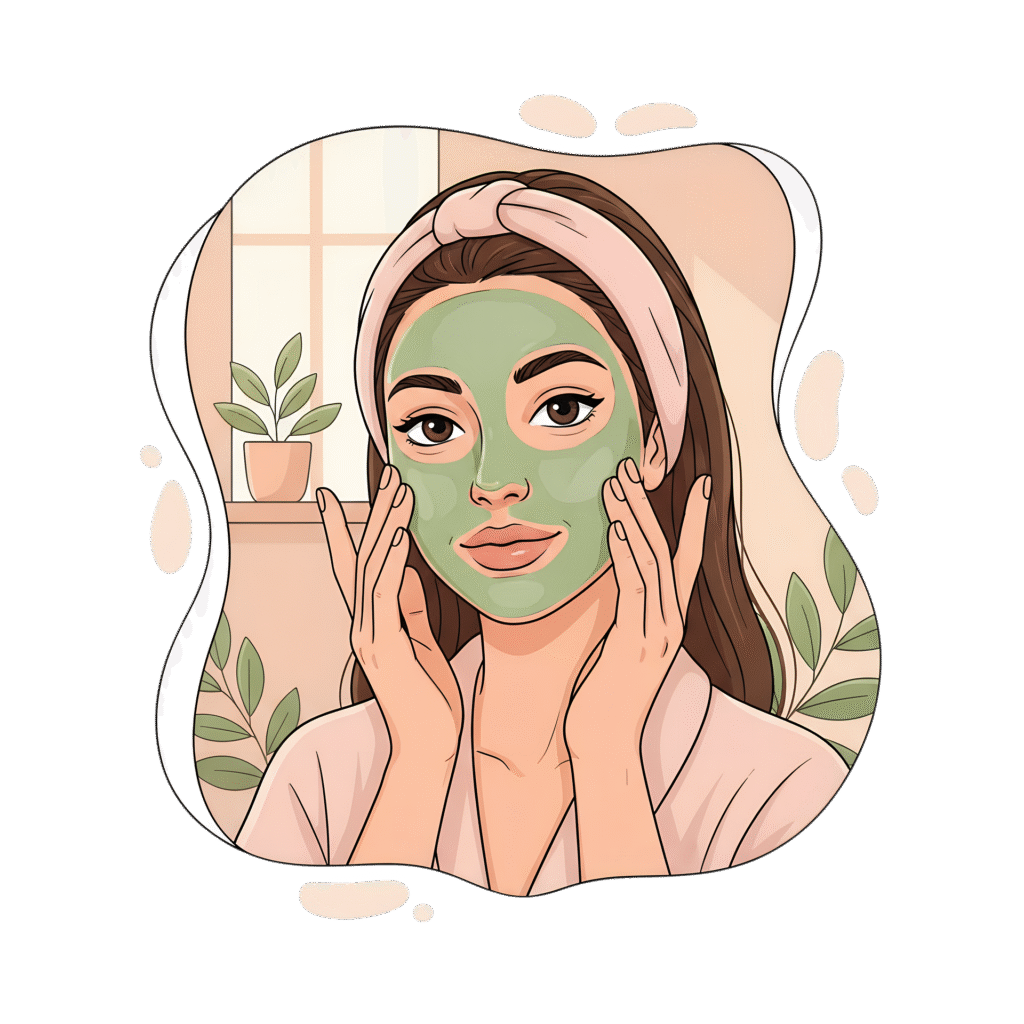
1. The “Dead Skin” Graveyard (Prep Failure)
This is the #1 reason for cakey texture. Your skin sheds millions of cells a day. If you don’t remove them, they form a rough, microscopic “graveyard” on your face.
When you apply liquid foundation over dead skin, the liquid catches on the edges of those dead flakes. This creates that “fuzzy,” uneven look. The Fix: You must respect the prep. A gentle exfoliation is key, but even more important is your daily wash. (Read our guide on [[Why Cleanser Choice Matters Most]] to fix your texture foundation).
2. The “Moisture Thief” (Dehydration)
Most liquid foundations are a mix of Water and Pigment. If your skin is dehydrated, it is thirsty. As soon as you apply foundation, your skin sucks up the water from the makeup. What is left behind? Just the dry pigment. This dry pigment clings to pores and creates that “chalky” look.
The Fix:
-
The “Sticky” Base: Apply your moisturizer while your skin is still damp. Wait 60 seconds. Then apply foundation. The moisturizer acts as a barrier, stopping your skin from [[dehydrated vs dry skin]] and drinking your makeup.
3. The “Paintbrush” Error (Application)
Watch a professional makeup artist. They never “swipe.” If you drag a brush across your face like you are painting a wall, you create streaks. The Glimpsera Technique:
-
Use a Damp Sponge: Run your beauty blender under water and squeeze it out until it is barely damp.
-
Stipple (Bounce): Press the makeup into the skin. Do not rub. Pressing melts the product into the pores rather than letting it sit on top.
4. Powder is the Enemy
We were taught to “set” our whole face with powder. Don’t. Powder absorbs oil, but it also adds texture. If you put powder on top of liquid on top of dry skin, you are building a cement wall. The Fix: Only powder the “Hot Zones” (T-Zone: Forehead, Nose, Chin). Leave your cheeks alone. Let them breathe.
Final Thoughts: Less is More
The main reason makeup looks cakey? You are using too much. Social media influencers use thick layers because they are under studio lights. In real daylight, that looks heavy. Start with one pump. Press it in. If you need coverage on a pimple, use concealer only on that spot. Let your real skin show through.
Frequently Asked Questions
Why does my nose always look cakey?
The nose produces the most oil but also has the largest pores. The oil breaks down the makeup, causing it to separate. To fix this, use an Eye Primer on your nose before foundation. It is designed to stop creasing and works better than face primer for oily noses.
Should I use a brush or a sponge?
For a natural look, always a sponge. A brush gives higher coverage (more pigment), but a damp sponge adds hydration and presses the product into the skin, preventing that “layer sitting on top” look.
Can setting spray fix cakey makeup?
Yes, temporarily. A “Dewy” setting spray melts the powder layers together. If you look in the mirror and see “cake,” spray your face heavily and tap it gently with your damp sponge. It will re-hydrate the pigment.
Have Any Question? Feel Free To Ask: